
How Overloading Can Damage Roads and Why Weigh Stations Prevent It
When it comes to vehicle transport and trucking in general, weight matters more than most people realize.

Overloading trucks doesn’t just pose safety risks and it also takes a serious toll on public infrastructure.
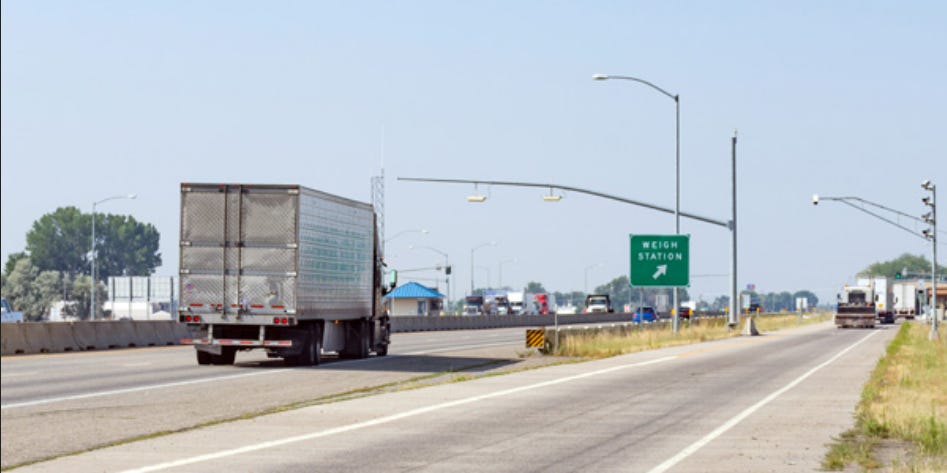
How Overloaded Trucks Harm Infrastructure
This article breaks down how excessive weight damages roads and bridges, and why weigh stations play a critical role in protecting our highways.
1: Cracked Pavement and Road Surface Damage
Highways are built to handle a certain weight range. When a truck exceeds those limits, it puts extreme pressure on the pavement, leading to:
Cracking and surface breakage
Rutting (grooves forming in the road)
Premature wear that shortens the lifespan of the road
💡 Just one overloaded axle can do as much damage as thousands of properly loaded cars.
2: Bridge Stress and Structural Damage
Bridges are especially vulnerable to overloading. They are engineered with maximum weight thresholds to distribute loads safely across their spans. Excessive weight can cause:
Cracks in concrete or steel supports
Structural weakening over time
Complete failure in extreme cases
When bridges are repeatedly stressed by overloaded trucks, the result is costly repairs or even closures that impact entire communities.
3: Increased Maintenance and Taxpayer Costs
Road damage caused by overloaded vehicles often leads to:
More frequent resurfacing
Emergency bridge inspections
Higher maintenance budgets
This translates to higher costs for taxpayers, who ultimately fund most public infrastructure projects.
The Role of Weigh Stations
Weigh stations serve as critical checkpoints to prevent these problems by:
Checking vehicle weight using certified scales
Ensuring loads are properly distributed across axles
Enforcing federal and state weight limits for different classes of trucks
If a vehicle is found to be overloaded, drivers may face:
Fines or citations
A requirement to offload cargo
Delays until the weight is brought into compliance
This system helps prevent unsafe and illegal loads from causing damage before they hit the road too hard.

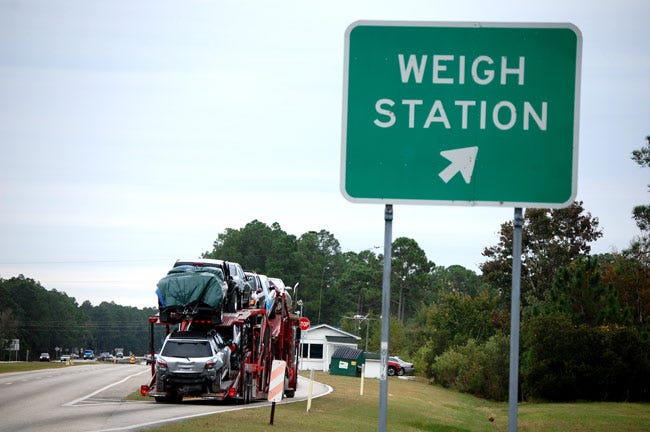
Why It Matters in Auto Transport
Even in the auto transport industry, stacking too many vehicles or carrying heavy models like trucks or SUVs can push a carrier past legal weight limits. That’s why professional dispatchers and carriers work together to plan loads that are both safe and legal.

Final Thought
Overloading isn’t just a trucking issue, it’s a public safety and infrastructure concern. Weigh stations serve as the front line in preventing costly road damage, protecting bridges, and keeping highways safer for everyone.
Absolutely agree with your insights on the detrimental effects of overloading vehicles. It's crucial to recognize how exceeding weight limits not only accelerates road deterioration but also poses significant safety risks. Weigh stations play an essential role in enforcing these limits, ensuring the longevity of our infrastructure and the safety of all road users. Thank you for shedding light on this important issue.